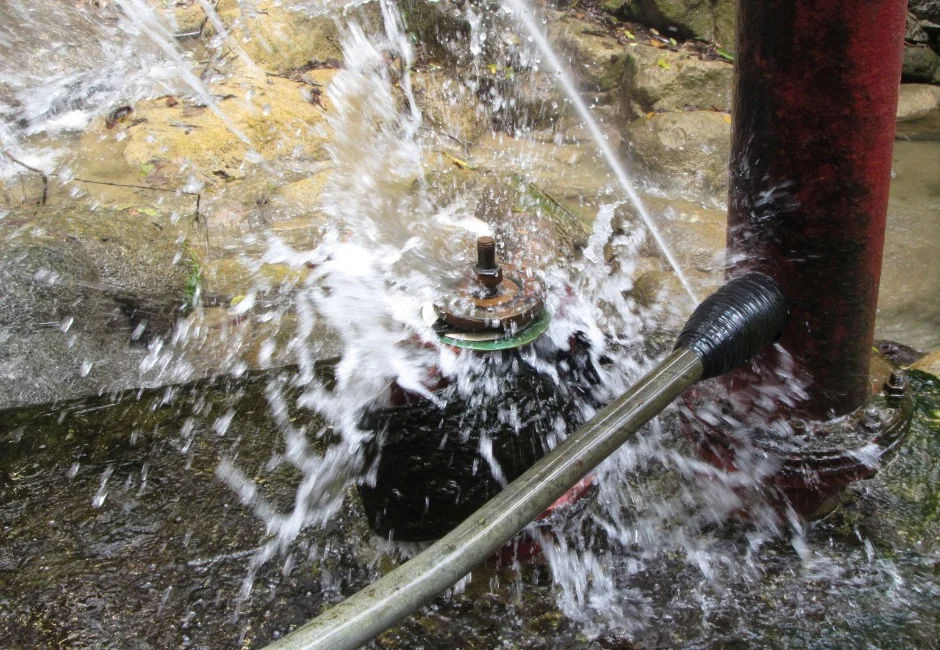
Leaks in your home's plumbing system can cause significant damage if left undetected. Knowing how to detect leaks in your home's plumbing system is crucial for protecting your property and saving money on repairs. This guide will cover the common signs of plumbing leaks, effective detection methods, and when to seek professional help in Naples.
Understanding Plumbing Leaks
A plumbing leak is any unintended discharge of water from pipes, fixtures, or appliances. These leaks can occur in various locations, including under sinks, behind walls, or beneath your home's foundation. In Naples, where many homes are older and may have outdated plumbing systems, understanding how to spot these leaks early is essential.
Common Signs of Plumbing Leaks
Recognizing the signs of plumbing leaks can save you from extensive damage and costly repairs. Here are some common indicators to watch for:
- Unexplained increases in your water bill
- Water stains on walls or ceilings
- Mold or mildew growth in damp areas
- Musty odors, especially in basements or crawl spaces
- Wet spots on floors or carpets
If you notice any of these signs, it's time to investigate further.
Methods to Detect Plumbing Leaks
There are several effective methods you can use to detect plumbing leaks Naples. Here are some of the best ways:
- Visual Inspection: Start with a thorough visual inspection of your plumbing fixtures, pipes, and appliances. Look for signs of water accumulation, rust, or corrosion.
- Water Meter Test: Turn off all water-using appliances and check your water meter. If the meter continues to run, you likely have a leak.
- Listening for Sounds: Pay attention to sounds of dripping or running water, especially in quiet areas of your home.
- Thermal Imaging: This advanced method uses infrared cameras to detect temperature differences that indicate moisture from leaks. Consider thermal imaging leak detection Naples for a professional approach.
Tools for Leak Detection
While some detection methods require minimal tools, others may need specialized equipment. Here are some tools that can help:
- Pipe Wrench
- Moisture Meter
- Infrared Camera
- Water Meter
- Plumber's Tape
Having these tools on hand can make your leak detection efforts more effective.
Common Mistakes to Avoid
When trying to detect plumbing leaks, avoid these common mistakes:
- Ignoring small leaks, thinking they will fix themselves
- Not checking hidden areas, like behind appliances or under sinks
- Neglecting to monitor your water bill regularly
Being proactive can prevent more severe issues down the road.
When to Call a Professional
If your leak detection efforts are unsuccessful or if you suspect a significant leak, it's time to call in the experts. At Leak Detection Pros, we offer comprehensive services to identify and repair leaks in your home. Our team is equipped to handle complex leak detection scenarios that may be beyond DIY methods.
Frequently Asked Questions
What tools do I need to detect plumbing leaks?
You can start with basic tools like a pipe wrench and a water meter. For more advanced detection, consider investing in a moisture meter or hiring a professional with thermal imaging capabilities.
How can I find hidden leaks in my plumbing system?
Look for signs of moisture, such as water stains or mold. You can also perform a water meter test or hire professionals who use specialized equipment to locate hidden leaks.
What are common signs of leaks in homes?
Common signs include unexplained increases in water bills, damp spots on walls or floors, and the presence of mold or mildew in areas that are usually dry.
How do I know if I need professional help?
If you notice persistent signs of leaks despite your efforts or if you suspect a significant leak, it's best to contact a professional leak detection service.
Can leaks cause serious damage?
Yes, leaks can lead to extensive water damage, mold growth, and structural issues if not addressed promptly. Early detection is key to preventing costly repairs.